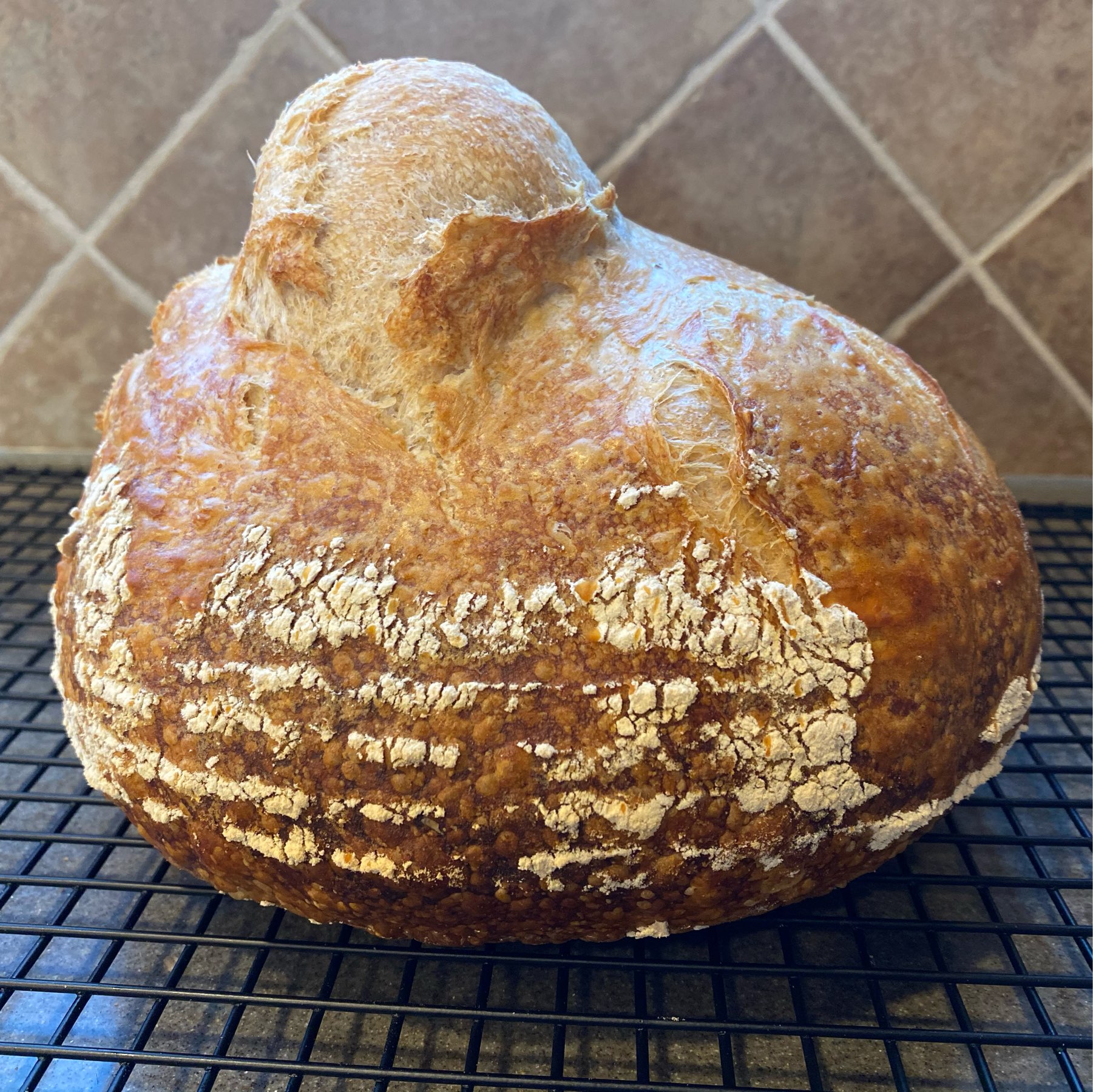
Oatmeal sourdough, experiment #3.
90% white flour
10% whole wheat flour
25% rolled oats
90% water
2% salt
After three tries, this is the first dough and crust I’m really happy with. Final verdict will have to wait until it cools and I can cut it open.

OH my Dad as I tried to explain podcasts to him: “Oh! They’re like radio programs.”
Yes. Yes they are.
Verdict: The oatmeal sourdough is good, but still needs a little more experimentation. It tastes great, but the crumb isn’t as open as I usually prefer. That could be because I need to add more water, or it could be from all the oats in the dough. I’ll have test. #EatYourScience
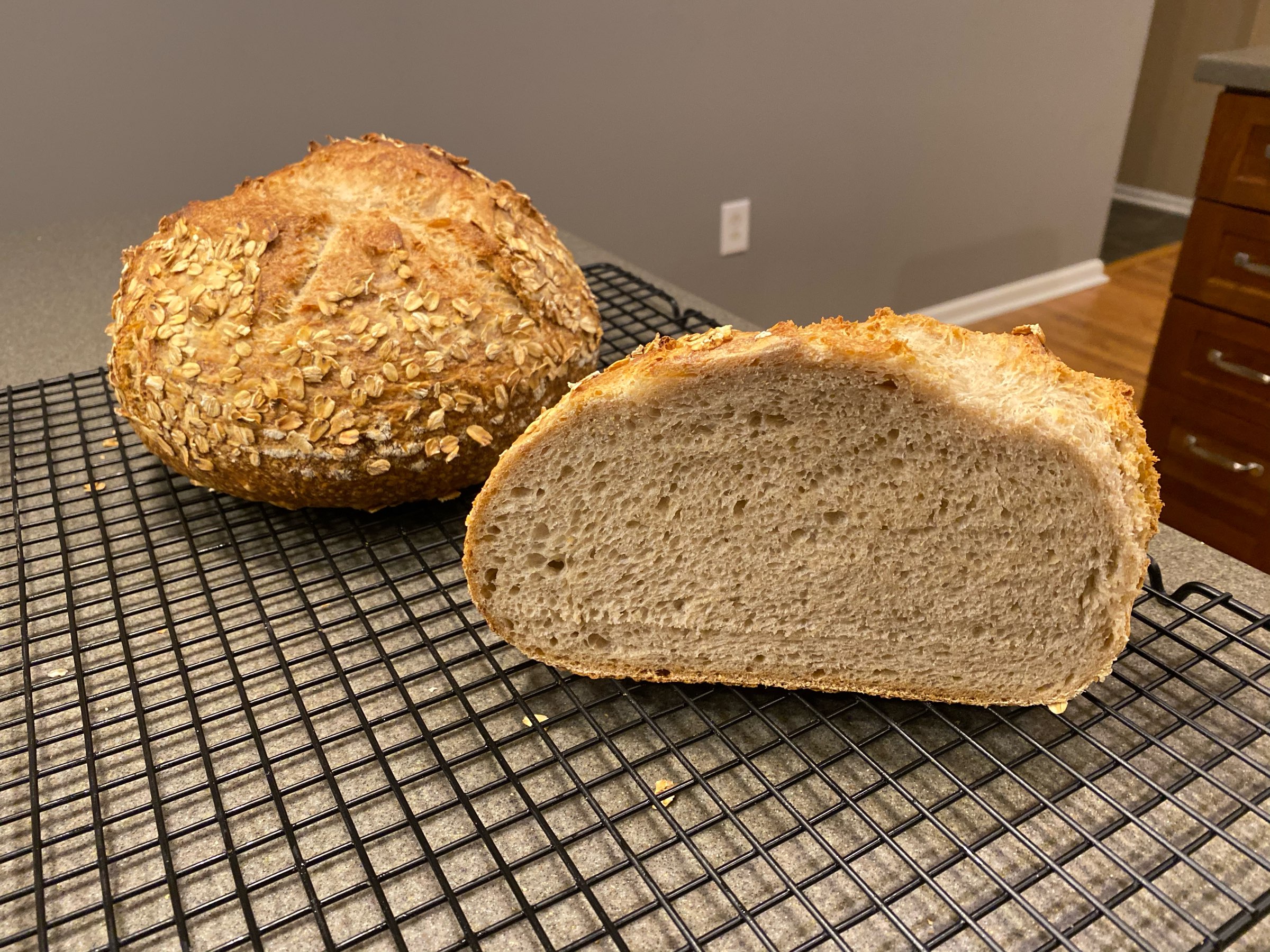
My first batch of an experimental sourdough with 20% oatmeal. (That’s 20 parts oatmeal for every 100 parts flour.) I can’t wait for these to cool so I can taste it and inspect the crumb. ?
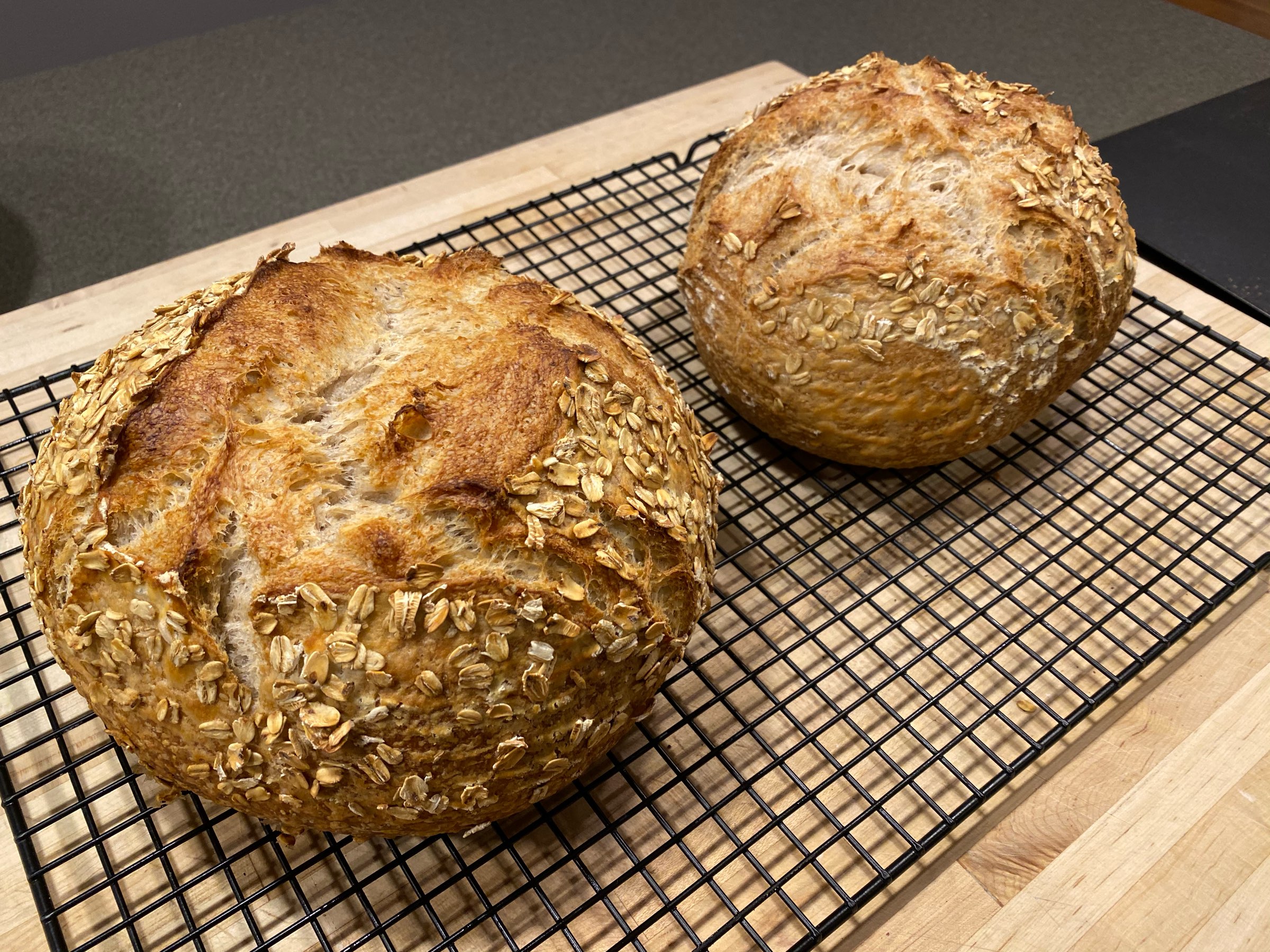
It’s always nice when you get to delete a line from that file on your desktop titled “Long-Term To Do.txt” ✅
I guess it’s no Star Wars, but I hear this Hamilton show is supposed to be pretty good. (Indianapolis, IN)


@manton ICYMI, Twitter announced it is funding a team tasked with creating an decentralized open source API that eventually Twitter (and presumably other services) will use. https://twitter.com/jack/status/1204766078468911106